November 19, 2026
A modern windshield does far more than block wind and road debris. In contemporary vehicle design, automotive glass provides up to 60% of cabin structural integrity during rollover collisions, acts as the critical backstop for passenger-side airbag deployment, and houses sensitive Advanced Driver Assistance Systems (ADAS). Because these components are vital to occupant safety—and because full replacements represent the majority of auto glass work—choosing a dependable auto glass service is essential. Top-tier providers rely on strict industry benchmarks, vetted supply chains, and standardized workflows to keep vehicles roadworthy.
According to DataIntelo, replacement services accounted for 54.3% of the global auto glass claims market share in 2025, making it the largest segment in the industry. With full glass replacements making up over half of all claims, strict compliance with the ANSI/AGSC Automotive Glass Replacement Safety Standard (AGRSS)—established by the Auto Glass Safety Council (AGSC)—is critical to protecting passengers in severe crashes. Knowing what separates a certified facility from a cut-rate auto glass service helps drivers make safer choices. From technician hiring to digital camera calibration, reputable auto glass shops build multilayered quality controls into every job.
Investing in Skilled Technicians
Hiring Certified Specialists
Dependable repairs start with technicians who understand structural adhesives, glass composition, and vehicle body dynamics. Leading auto glass service providers prioritize candidates with recognized industry certifications and proven hands-on experience. When a shop mandates verified credentials, drivers can trust that the person working on their car understands proper handling methods and crash-force engineering—eliminating shortcuts that could compromise cabin stability.
Committing to Ongoing Training
Because vehicle engineering evolves quickly, continuous education is non-negotiable. Regular workshops, technical seminars, and manufacturer updates keep crews sharp on new structural designs, laminated acoustic glass, and emerging sensor layouts. As automakers pack more driver-assist hardware behind rearview mirrors, ongoing training ensures technicians can deliver auto glass service on the latest electric and luxury models to factory standards without installation errors.
Enforcing Strict Safety Protocols
Handling structural urethanes and tempered glass requires unwavering discipline. Certified repair centers train staff to execute the Automotive Glass Replacement Safety Standard on every job. That means respecting Safe Drive-Away Times (SDAT), applying the right primers to prevent pinch-weld corrosion, and using proper personal protective equipment. This strict adherence gives motorists confidence that their auto glass service meets federal safety requirements and preserves factory warranties.
Using Top-Tier Materials and Equipment
Sourcing Safety-Compliant Glass
A lasting replacement begins with glass engineered to meet or exceed federal and industry safety guidelines. Low-grade aftermarket glass often introduces optical distortion, uneven thickness, excess cabin noise, or poor fitment. By sourcing through a trusted network of manufacturers known for durability and performance—including glass for specialty and hard-to-find models—an accredited auto glass service maintains exact structural tolerances and clear visibility across the driver's entire line of sight.
Applying High-Performance Urethane Adhesives
The structural bond securing a windshield to the vehicle frame relies entirely on the quality of the urethane adhesive. Reputable shops use high-viscosity, fast-curing polyurethane sealants engineered to withstand extreme shear forces in a collision. Cheap adhesives can take days to cure, weaken in extreme temperatures, or break down under UV exposure. By pairing premium urethane formulas with strict adherence to manufacturer cure times and clear post-installation aftercare instructions, technicians ensure the glass stays locked in place under any driving condition.
Investing in Precision Removal Tools
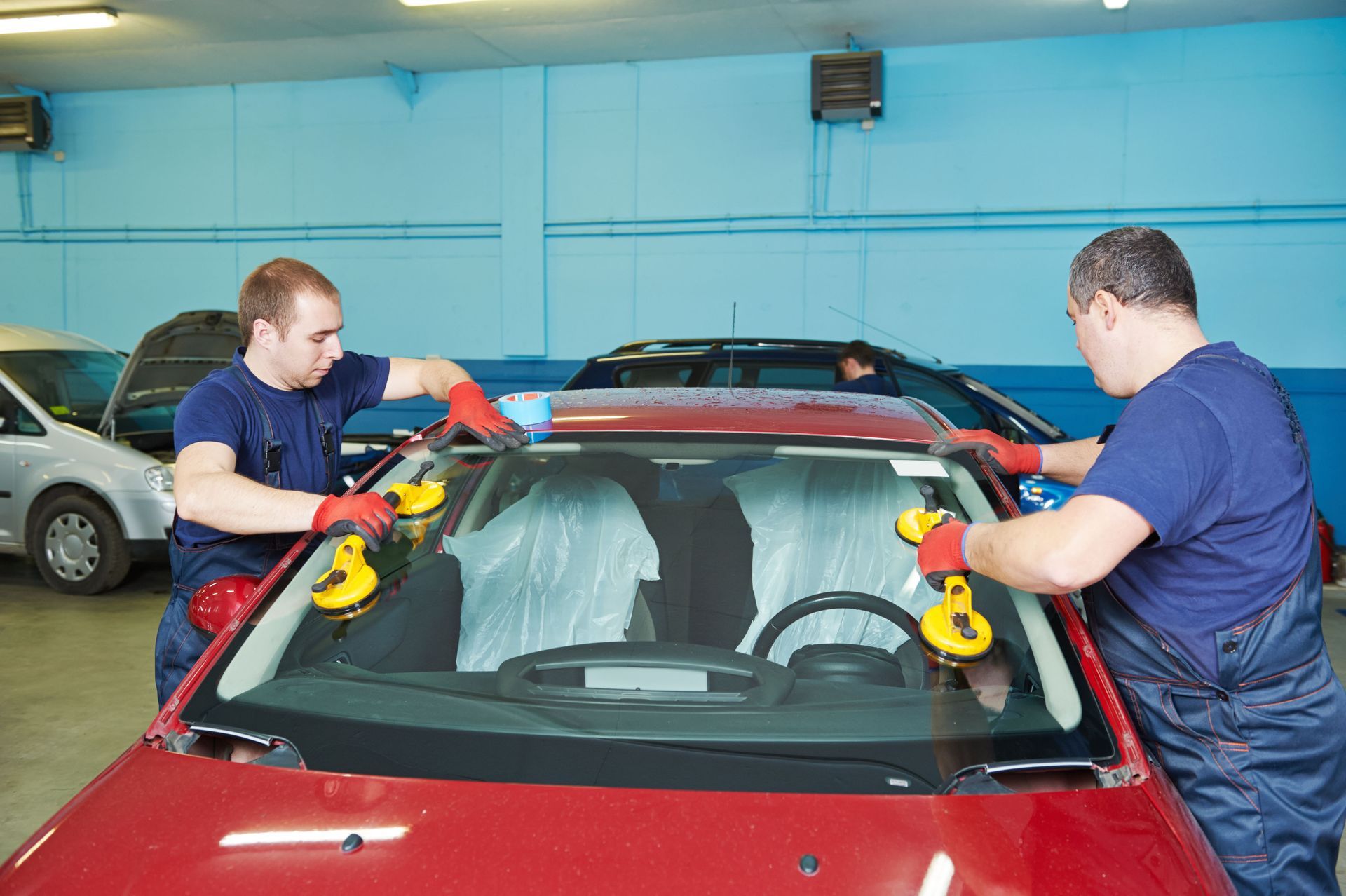
Clean, damage-free installations depend on state-of-the-art equipment, specialized cutout wire rigs, and industrial vacuum suction cups. Modern removal systems allow technicians to separate damaged glass without scratching surrounding paint or gouging the metal pinch weld. Preventing bare-metal scratches stops hidden rust from forming beneath the seal, protecting both the bond and the long-term structural health of the vehicle frame.
Enforcing Rigorous Quality Control
Following Standardized Checklists
Consistent results come from repeatable processes across every service bay and mobile unit. Professional technicians follow a structured step-by-step process covering pre-repair damage evaluation, pinch-weld cleaning, surface priming, and precise glass alignment. Standardizing these steps minimizes human error and ensures every customer receives the same high level of auto glass service—whether in the shop or during a mobile appointment.
Performing Multi-Point Final Inspections
Before handing back the keys, a lead technician or quality inspector performs a thorough post-installation check. They verify even molding reveals, flush glass seating, smooth wiper operation, and a complete seal against wind noise and water leaks. Catching issues before delivery prevents frustrating return visits and protects sensitive interior electronics from moisture damage.
Recalibrating ADAS Sensors
Forward-facing cameras and radar units mounted near the windshield power critical features like Lane Keeping Assist and Automatic Emergency Braking. Removing and replacing a windshield shifts these sensors by fractions of a millimeter—enough to throw off their accuracy. A certified auto glass service performs precision ADAS recalibration to realign safety hardware to factory specifications, keeping automated crash-avoidance systems functioning reliably.
Delivering Transparent Customer Care
Communicating Clearly Throughout the Process
Earning customer trust starts with honest, straightforward communication about repair options, timelines, and pricing. Reliable shops provide free quotes, evaluate damage closely to explain whether a quick resin chip repair will restore structural integrity or a full replacement is required, and set realistic expectations—with most appointments for auto glass service completed in about an hour. Providing clear aftercare guidance on Safe Drive-Away Times also ensures drivers do not get back on the road before the adhesive has properly cured.
Offering Lifetime Workmanship Warranties
Shops that stand behind their work back every installation with a clear lifetime workmanship warranty. Comprehensive coverage protects against air leaks, water intrusion, and adhesive bonding issues for as long as you own the vehicle. Strong warranty protection shields drivers from unexpected repair bills and signals genuine confidence in both craftsmanship and materials.
Maintaining Shop-Level Quality During Mobile Service
Adapting to Environmental Conditions
Mobile auto glass service brings convenience directly to a driver's home or workplace, but performing structural installations outdoors requires careful environmental control. Urethane adhesives and primers rely on specific temperature and humidity ranges to bond and cure properly. Reputable mobile technicians monitor weather conditions closely, using climate-adjusted adhesive formulas and protective canopies when needed to prevent moisture or debris from contaminating the bonding surface.
Equipping Mobile Units for Precision Work
A dependable mobile appointment should never mean compromising on tools or safety protocols. Professional mobile service vans carry the same commercial-grade cutout rigs, vacuum suction mounts, and clean glass storage racks found inside a full service bay. By treating every mobile unit as a self-contained workshop, certified technicians execute clean removals, proper pinch-weld prep, and accurate glass placement right in your driveway.
Verifying Calibration Requirements On-Site
While many windshield replacements can be completed entirely on location, vehicles equipped with forward-facing ADAS cameras often require controlled indoor lighting and level flooring for static target recalibration. Quality-focused providers verify sensor requirements before dispatching a mobile unit, coordinating dynamic road calibration on-site or scheduling a brief in-shop calibration check so automated safety features remain fully operational.
Delivering reliable windshield and auto glass replacement takes an ongoing commitment to technician skill, quality materials, and modern calibration technology. By pairing certified professionals and safety-compliant glass with high-strength adhesives, mobile convenience, and precise ADAS recalibration, reputable providers ensure safe, consistent outcomes. Choosing an experienced auto glass service that backs its work with a lifetime workmanship warranty protects your vehicle's resale value and preserves the engineered safety systems your family counts on every mile. Contact International Auto Glass Inc today for more.