Sustaining a clear, structurally sound, and technically calibrated vehicle envelope over the long haul is an exceptionally vital automotive care milestone that instantly safeguards your daily transit comfort, family safety, and long-term vehicle valuation. Your automobile's glass infrastructure stands as far more than a simple structural window to view the road ahead; it serves as a critical physical shield engineered to withstand intense highway wind pressures, repel high-velocity road debris, and support your cabin's structural framework during an unexpected rollover accident.
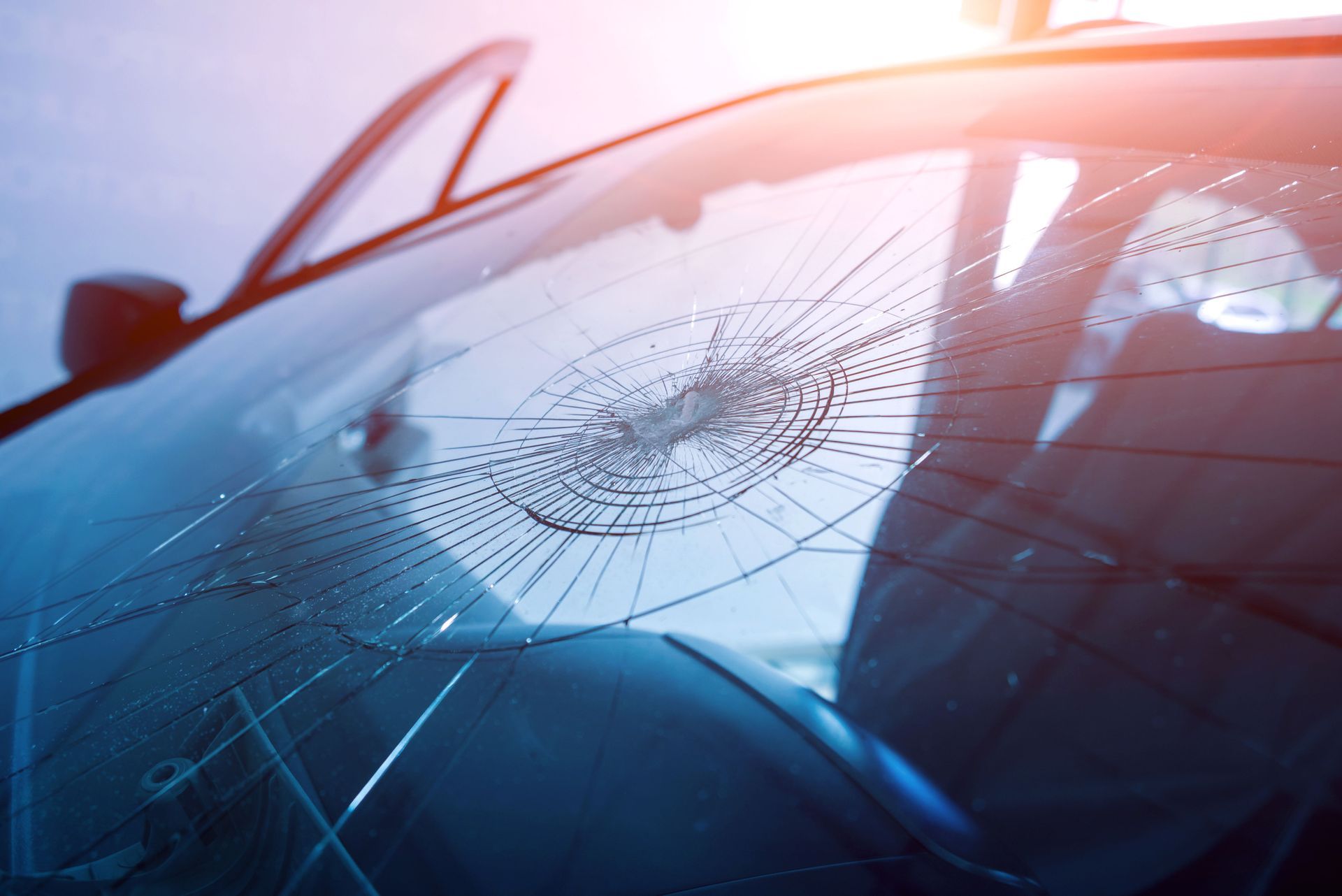
Because a modern windshield must continuously support advanced digital safety sensors while protecting the interior cabin, managing its replacement process demands careful strategic planning and professional mechanical precision. Many vehicle owners make the mistake of adopting a passive approach to minor glass defects, treating a tiny rock chip or a faint hairline crack as a simple cosmetic blemish that can be safely ignored. Unfortunately, letting minor glass cracks slide allows everyday road vibrations and temperature swings to expand the damage rapidly, turning a straightforward chip repair into a total structural failure that completely compromises your vehicle's safety systems.
Choosing to partner with certified technicians to execute a precision upgrade is a brilliant decision that actively protects your household budget from sudden emergency failures. Shifting your vehicle maintenance focus to include advanced material upgrades becomes an urgent priority when you analyze the dominant manufacturing standards shaping the modern automotive market. Laminated glazing held 56.78% of the North American automotive glass market share in 2025, according to Mordor Intelligence. This massive market presence proves that high-performance, multi-layered safety glass has become the definitive benchmark for structural safety and acoustic comfort across modern vehicle design lines, making direct collaboration with expert installers an absolute necessity.
Booking a prompt appointment for an auto glass replacement completely removes the threat of sudden glass shattering from your busy daily commute. Relying on specialized technicians for your auto glass replacement ensures your driver-assist networks remain perfectly functional, providing four distinct engineering, cost, and safety advantages over waiting until a damaged windshield fails on the highway.
Navigating Advanced Driver Assistance Systems and Recalibration Needs
The first major area where the process of auto glass replacement has transformed involves navigating the complex requirements of Advanced Driver Assistance Systems (ADAS) and their mandatory camera recalibration protocols. In older vehicles, a windshield was simply a piece of transparent safety glass held in place by a rubber molding strip, requiring very basic physical installation methods. Modern vehicles, however, utilize the upper portion of the windshield as a primary mounting pad for forward-facing cameras, radar arrays, and lane-departure sensors that manage your automatic emergency braking systems.
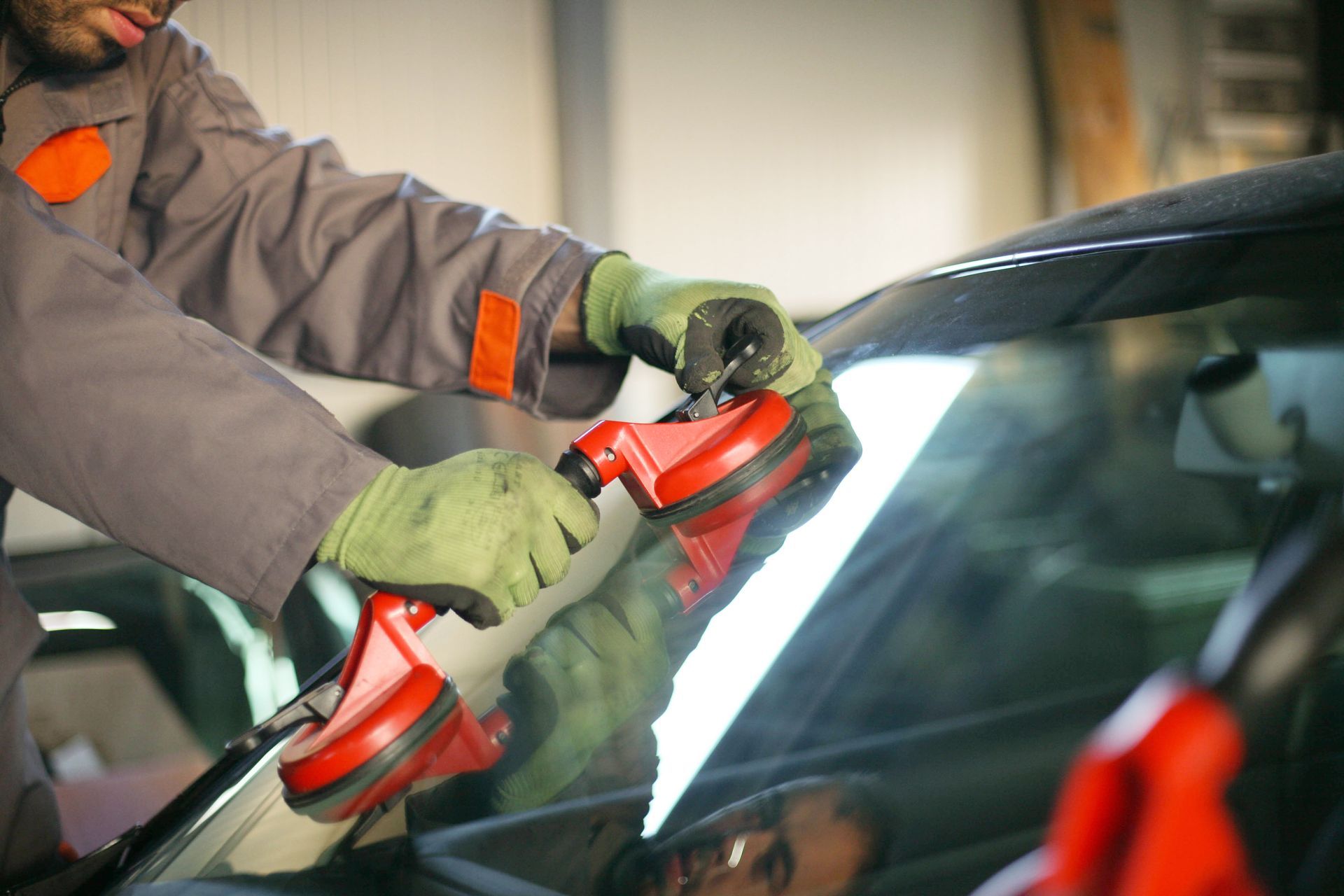
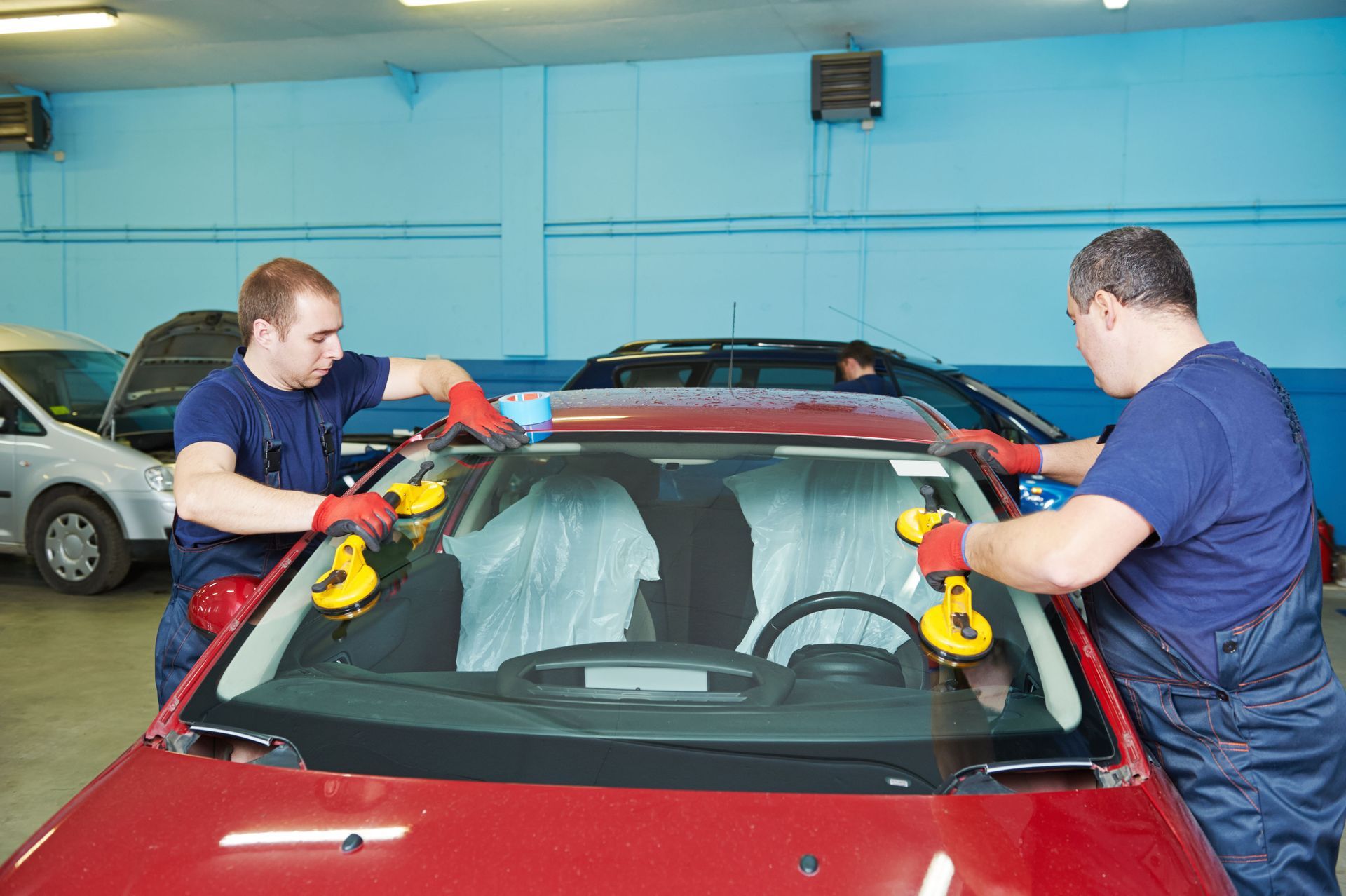
When you bring your vehicle in for a professional auto glass replacement, expert technicians cannot simply install the new glass panel and hand back your keys. They must perform a detailed digital calibration process using specialized in-shop targets or dynamic road tests to ensure the vehicle's safety cameras align perfectly with the road ahead. Skipping this technical calibration phase during an auto glass replacement can cause your safety systems to miscalculate distances, triggering dangerous false alarms or failing to activate during a critical emergency. Trusting your glass update to certified specialists guarantees that your vehicle's digital safety framework is completely synchronized, protecting your family through every mile of travel.
Budgeting for True Material and Digital Calibration Costs
Another critical factor that every modern vehicle owner must understand involves budgeting for the true material and digital service costs associated with high-tech glass restorations. The final investment required for a window update is no longer determined solely by the physical square footage of the glass sheet itself. Instead, the final price tag depends heavily on the specific vehicle class, the embedded technology features, and whether your insurance carrier covers advanced optical components.
A basic commuter sedan without forward safety cameras represents the most affordable tier for an auto glass replacement, often ranging between $250 and $500. However, if you drive a modern sport utility vehicle, a heavy-duty pickup truck, or an advanced electric vehicle equipped with automated cruise controls, rain sensors, and heads-up displays, the baseline price rises significantly. For these high-tech models, a professional auto glass replacement paired with mandatory dual-calibration services routinely scales between $1,000 and $2,500+. Understanding these updated pricing scales allows you to coordinate your insurance claims effectively, preventing unexpected out-of-pocket financial surprises.
Selecting Original Equipment Manufacturer Glass Alternatives
A highly rewarding and frequently debated phase of planning an automotive window restoration involves deciding between Original Equipment Manufacturer (OEM) parts and aftermarket glass alternatives. OEM glass is manufactured using the exact structural blueprints, thickness metrics, and optical clarity guidelines established by your vehicle's original factory engineers, ensuring a flawless physical fit and complete compatibility with your safety sensors.
When you discuss your auto glass replacement options with an independent specialist, they will outline the specific pros and cons of each product line to match your budget goals. While third-party aftermarket glass meets baseline federal safety standards, minor variances in glass curvature or tint thickness can occasionally interfere with sensitive heads-up displays or distort forward-facing camera angles. Opting for genuine OEM materials during your auto glass replacement guarantees absolute structural harmony with your vehicle's frame rails, maximizing your long-term durability and keeping your original vehicle warranties fully intact.
Upholding Federal Motor Vehicle Structural Safety Standards
The final, deeply vital reason to anchor your vehicle maintenance around an elite service crew involves strictly upholding the federal motor vehicle structural safety standards that protect your life during a severe collision. Many drivers do not realize that a vehicle's windshield functions as a structural load-bearing pillar, contributing up to sixty percent of the cabin's total strength during an accidental rollover event. Furthermore, the glass serves as the mandatory structural backstop for the passenger-side airbag, absorbing the immense forward impact force when the safety cushion deploys.
When you invest in a professional auto glass replacement, certified technicians utilize commercial-grade polyurethane adhesives with high tensile strength to bond the new glass matrix permanently to the steel vehicle body. The field experts managing your auto glass replacement strictly observe mandatory chemical cure times, ensuring the vehicle is never driven until the structural adhesive has achieved its maximum holding capacity. Prioritizing this level of disciplined technical execution safeguards your vehicle's roll-cage integrity, prevents dangerous roof crush failures, and guarantees that your onboard safety assets deliver maximum physical protection when you need them most.
A vehicle's windshield, advanced camera sensors, and underlying structural adhesives function as the absolute foundation for your family’s daily highway protection and represent a highly sensitive technological asset, meaning that trying to save a few dollars on cut-rate installations or skipping mandatory digital camera calibrations will only lead to distorted sightlines, failed safety alerts, and incredibly dangerous structural vulnerabilities down the road. Shifting your vehicle preservation focus to a proactive, professionally managed restoration roadmap is the single most effective way to insulate your household budget from unexpected mechanical failures and permanently elevate your everyday peace of mind behind the wheel.
By taking immediate control of your automotive goals and placing your trust in an experienced team of certified technicians, you successfully safeguard your hard-earned assets and maximize your vehicle's long-term operational value. If you notice a deep rock chip spreading across your field of vision, hear a strange whistling wind noise coming from your front window seal, or realize your modern safety cameras are overdue for a professional recalibration check, contact International Auto Glass Inc online today to secure the elite
auto glass replacement your vehicle transition deserves!