January 16, 2026
The safety and integrity of your vehicle depend significantly on the condition of your windshield. As such, knowing how to discern the necessity of a repair versus auto glass replacement is crucial for all vehicle owners. With various options available, it's essential to know when each method is appropriate. Let's outline a few key considerations to help you make an informed decision about the maintenance of your windshield.
Understanding the Types of Windshield Damage
Chips and Their Impact
Chips are small damages that often occur when debris impacts the windshield. Typically, these are minor blemishes but can expand over time if not addressed. A chip usually does not penetrate the entire depth of the glass. Despite their small size, chips can weaken the structural integrity of the windshield if left unattended. Timely repairs are critical to preventing chips from expanding into cracks, which are more challenging.
The primary concern with chips is that they can lead to further damage under stress. If your vehicle experiences a sudden change in temperature or impact, a chip can spread into a larger crack. Addressing chips promptly ensures that your windshield retains its strength. This preventive measure is both cost-effective and convenient. Many insurance policies cover chip repairs, further easing the financial burden of maintenance.
Cracks and How They Differ from Chips
Unlike chips, cracks extend over a larger area of the windshield. They can vary significantly in size and pattern, ranging from small fissures to long, snaking lines. Cracks are more serious than chips because they compromise the windshield's structural support of the vehicle. Over time, cracks can expand, especially under conditions such as temperature changes and vibrations. Immediate attention to cracks is necessary to determine whether a repair or auto glass replacement is required.
Cracks may initially seem inconsequential, but they rapidly evolve into larger problems. The risk of a crack expanding increases with exposure to the elements and regular vehicle operation. A small crack, if ignored, can quickly render the entire windshield unusable. Drivers should be proactive in seeking a professional inspection as soon as a crack appears. Addressing the issue early can save on larger repair or auto glass replacement costs down the line.
The Significance of Star Breaks
A star break describes a type of windshield damage that resembles a star shape. This damage occurs when debris hits the windshield with significant force. Each arm of the star is a thin line of fracture extending from the central impact point. Star breaks are not just cosmetic concerns; they can spread and weaken the windshield over time. Repairing star breaks promptly prevents the cracks from radiating further.
Star breaks often require immediate attention due to their complexity. The numerous small cracks associated with star breaks can quickly spread, particularly under adverse conditions. Addressing a star break involves filling the cracks to restore the windshield's integrity. This preventative action minimizes the risk of the damage worsening with the vehicle's usage. A professional repair is generally recommended for star breaks to ensure effectiveness.
Recognizing Bullseye Damage
Bullseye damage is characterized by concentric circles around the point of impact. It is a common type of damage resulting from small debris hitting the windshield. Bullseye damage, if small, can often be repaired effectively, preventing the need for complete windshield replacement. Similar to chips, addressing bullseye damage early on can prevent it from escalating. The repair process involves filling and sealing the damage to restore clarity and structural strength.
How Surface Pits Affect Your Windshield
Surface pits are small indentations that occur over time due to debris colliding with the windshield. Unlike other damages, pits do not usually compromise the windshield's structural integrity but can affect visibility. Accumulation of surface pits leads to glazing and distortion, impairing the driver's line of sight, particularly in bright conditions. Regular cleaning and inspection can help minimize pit development. Addressing surface pits involves polishing imperfections to improve visibility.
Factors Influencing Repair or Replacement
Size of the Damage
One of the key factors in determining whether to repair or replace a windshield is the size of the damage. Small damages like chips or minor cracks can often be repaired without compromising the windshield's integrity. Industry standards often cap the repairable crack length at around three inches, although this varies by service provider. For larger cracks, particularly those exceeding 18 inches, replacement is usually the necessary action. Evaluating the damage size is crucial for both safety and cost management.
Small damages, when repaired correctly, tend to restore the windshield's full functionality. Such repairs lead to cost savings as full replacement is avoided. However, you should get a thorough evaluation by a professional to confirm that the damage can be safely repaired. Insurance policies commonly cover repairs for small damages, reducing out-of-pocket expenses. This option is especially valuable for drivers with high insurance deductibles.
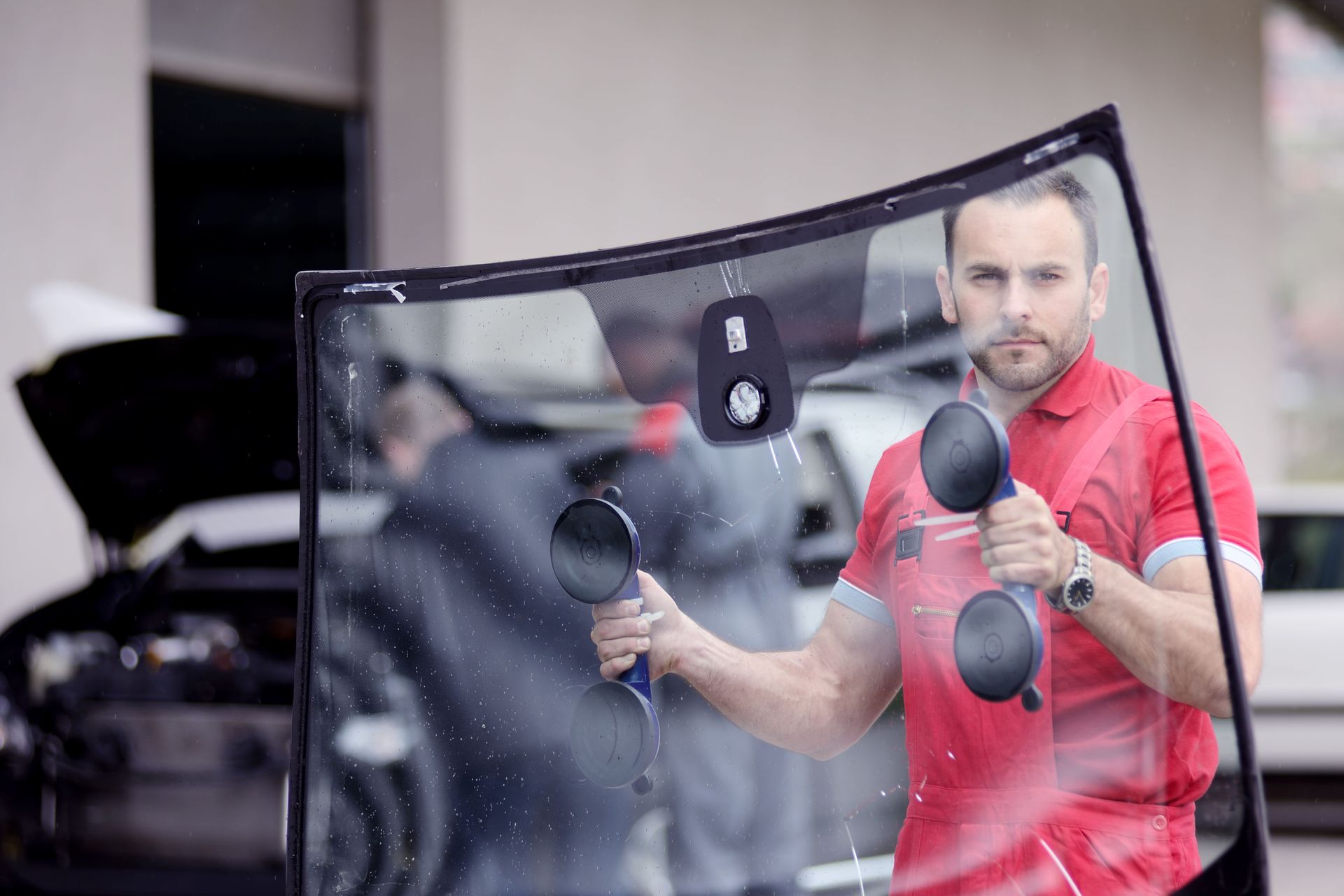
In situations where comprehensive repairs are not feasible, auto glass replacement ensures vehicle safety. A new windshield guarantees the original strength and durability standards are met. According to Forbes, full glass insurance coverage can save you money in the long run if you have a high deductible of $1,000 or more. This financial strategy is beneficial for covering extensive repairs or replacements. Vehicle owners should consider their insurance options when assessing repair or replacement needs.
Location of the Damage
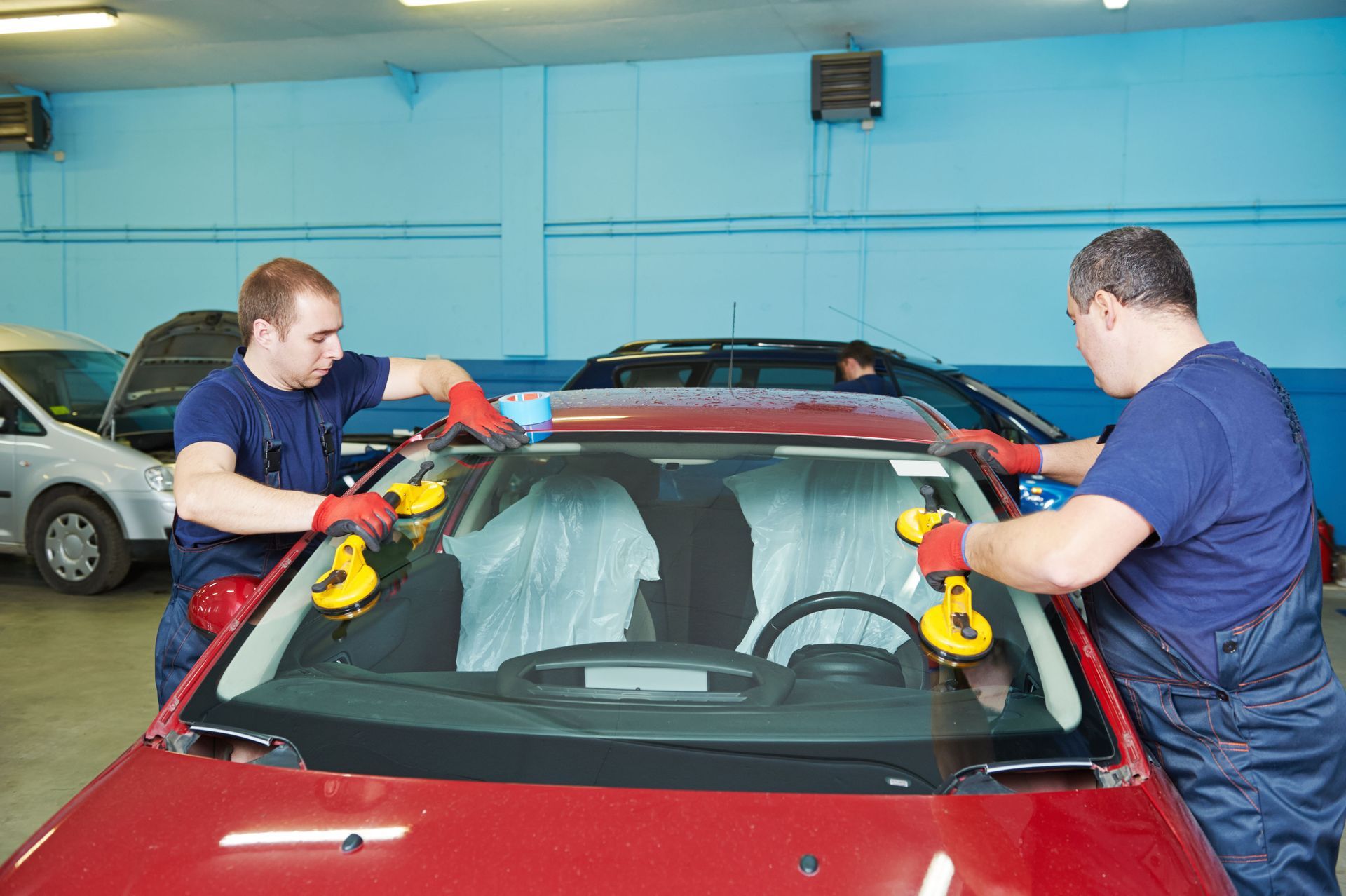
The location of the damage plays a critical role in the repair versus replacement decision. Damage directly in the driver's field of vision can pose safety hazards. Even minor repairs may leave distortions or blemishes that obstruct clear sight. In these cases, replacing the windshield is frequently the recommended course of action. Similarly, damage located on the edge of the windshield can quickly spread and compromise structural integrity, necessitating auto glass replacement.
The Spread of the Damage Over Time
One factor influencing repair or replacement decisions is how the damage may spread over time. Weather conditions, vehicle vibrations, and pressure changes contribute to the expansion of windshield damage. Even small chips, if left untreated, can develop into significant cracks. Monitoring the progression of damage is essential to determine timely intervention. Proactive measures help avoid escalation that may demand full windshield replacement.
Age and Condition of the Windshield
The pre-existing condition and age of the windshield can significantly influence the decision to repair or replace. Older windshields are more prone to stress cracks and may already exhibit weakened structural integrity. When choosing between repair and replacement, considering the windshield's condition is crucial. Even minor damage can be a symptom of the glass nearing the end of its lifespan. In such cases, auto glass replacement might be the most viable long-term solution.
Your Vehicle's Safety Measures and Features
A vehicle's safety features also play a role in the decision to repair or replace a windshield. Modern cars are often equipped with advanced driver assistance systems (ADAS), relying on mounted cameras and sensors on the windshield. Changes to the windshield can affect how these systems function. Professional replacement ensures that all safety features are retained and functional post-installation. Vehicle owners should consult specialists familiar with ADAS for the best outcomes.
Deciding between windshield repair and replacement depends on a careful evaluation of the type, size, location, and progression of the damage. Addressing minor issues early can often restore strength and visibility while keeping costs manageable. More extensive or poorly located damage, however, may call for full replacement to maintain structural support and driver safety. By understanding these factors and seeking professional guidance from International Auto Glass Inc when damage appears, you can make practical choices that support long-term performance, clear visibility, and overall road safety. Reach out to us today to get started with a free quote!