November 19, 2026
The windshield and structural windows of a modern motor vehicle do far more than shield occupants from wind and road debris. In contemporary vehicle architecture, glass elements provide up to 60% of cabin structural integrity during rollover collisions, serve as the crucial backstop for passenger-side airbag deployment, and house sensitive Advanced Driver Assistance Systems (ADAS). Because of these essential safety functions, securing reliable automotive repairs is paramount for motorists. Reputable companies that prioritize safety adhere to rigorous benchmarks, proven supply chains, and standardized protocols to guarantee vehicle dependability on the road.
According to the Auto Glass Safety Council (AGSC), adhering strictly to ANSI/AGSC Automotive Glass Replacement Safety Standards (AGRSS) is essential to protecting passenger lives during severe collisions. Discerning drivers must understand how certified providers achieve repeatable reliability when executing structural repairs and glass replacements. From technical recruitment to advanced digital calibration, leading repair facilities implement multilayered safeguards at every step. This article examines the core practices, technologies, and quality control systems that professional shops employ to protect motorists and preserve structural roadworthiness.
Investing in Technician Training
Recruiting Certified Professionals
The foundation of reliable automotive repair starts with hiring certified technicians who understand structural adhesives, glass composition, and vehicle body integrity. Leading companies seek out specialists who hold recognized credentials and boast demonstrable field experience. Choosing a shop that requires verified credentials ensures that any technician assigned to your vehicle understands proper handling protocols and dynamic crash forces. When providers hire qualified professionals, they eliminate dangerous shortcuts that compromise vehicle stability.
Providing Continuous Workforce Education
Automotive technology changes at a rapid pace, requiring persistent professional education. Regular training seminars, hands-on workshops, and industry updates keep shop teams up to date on new structural designs, composite windshield lamination, and acoustic dampening techniques. As automobile manufacturers integrate complex driver-assist sensors behind rear-view mirrors, technicians must refine their installation techniques to maintain factory specifications. Ongoing educational investment ensures field crews handle even the newest luxury or electric vehicles without installation defects.
Mastering Standardized Safety Protocols
Working around structural adhesives and tempered side panels demands strict adherence to rigorous safety standards. Professional service centers train technicians to follow the Automotive Glass Replacement Safety Standard to the letter. This includes honoring designated Safe Drive-Away Times (SDAT), applying designated primers to avoid pinch-weld corrosion, and wearing appropriate protective gear. A provider that insists on verified safety certifications guarantees peace of mind, reassuring drivers that repairs satisfy both federal crash ratings and manufacturer warranties.
Utilizing Premium Materials
Sourcing OEM-Compliant Glass
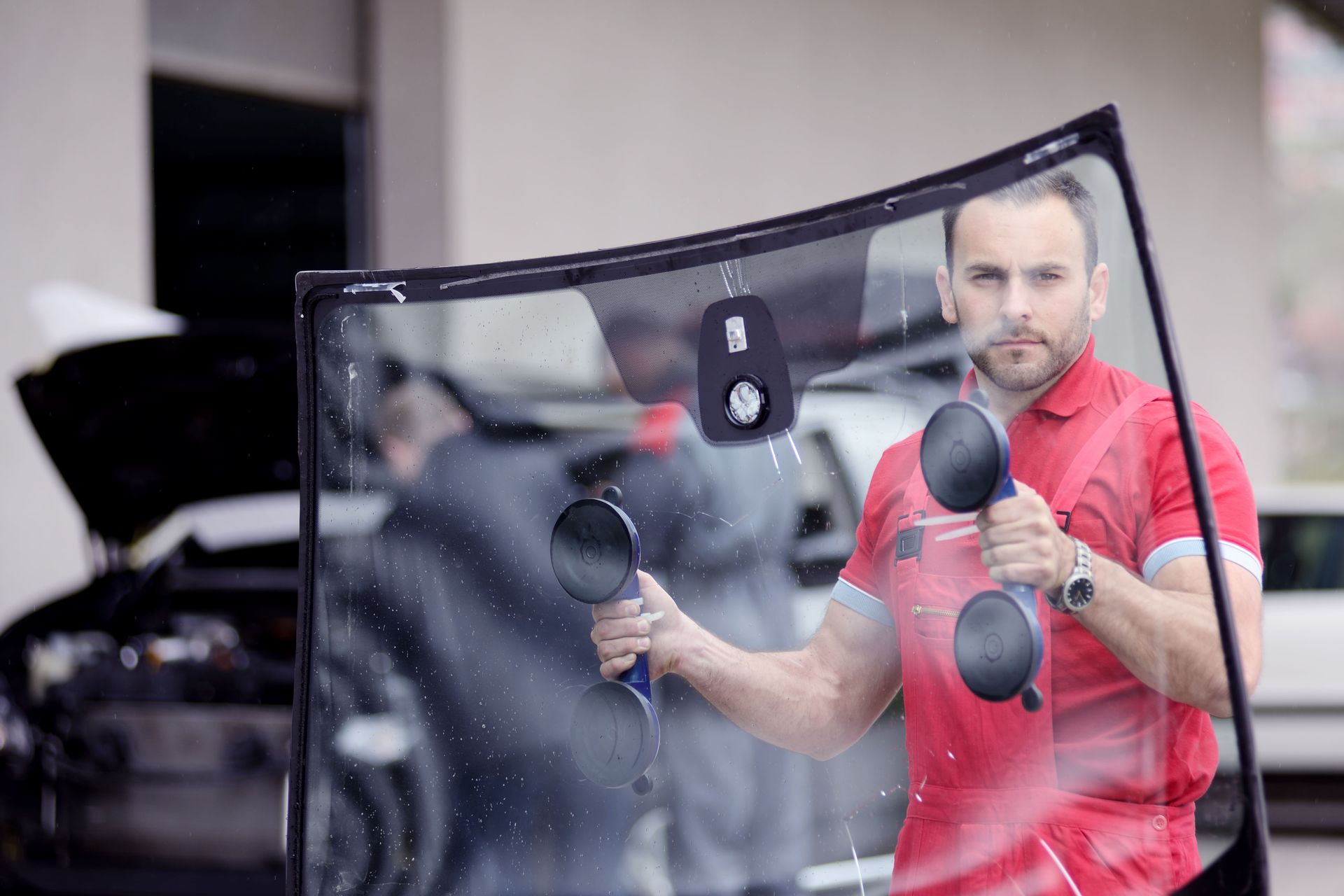
A durable structural repair begins with sourcing premium glass products that match Original Equipment Manufacturer (OEM) or Original Equipment Equivalent (OEE) specifications. Subpar aftermarket glass frequently suffers from optical distortion, uneven thickness, acoustic degradation, and improper dimensional tolerances. By purchasing directly from licensed tier-one suppliers, an accredited service center maintains structural thickness and factory solar-reflective properties. Installing high-grade replacement glass ensures proper fitment while preserving optical clarity across the driver’s entire field of vision.
Applying Commercial Urethane Adhesives
The structural bond between automotive glass and a vehicle's frame depends entirely on the chemical integrity of the urethane adhesive. Professional companies use high-viscosity, fast-curing polyurethane sealants capable of withstanding massive shear forces during an impact. Inferior adhesives can take days to cure, fail during extreme temperature swings, or degrade under ultraviolet light exposure. By choosing top-tier urethane formulas and strictly observing manufacturer cure cycles, technicians guarantee that replacement glass remains securely anchored within the vehicle frame under all driving conditions.
Upgrading Precision Tooling
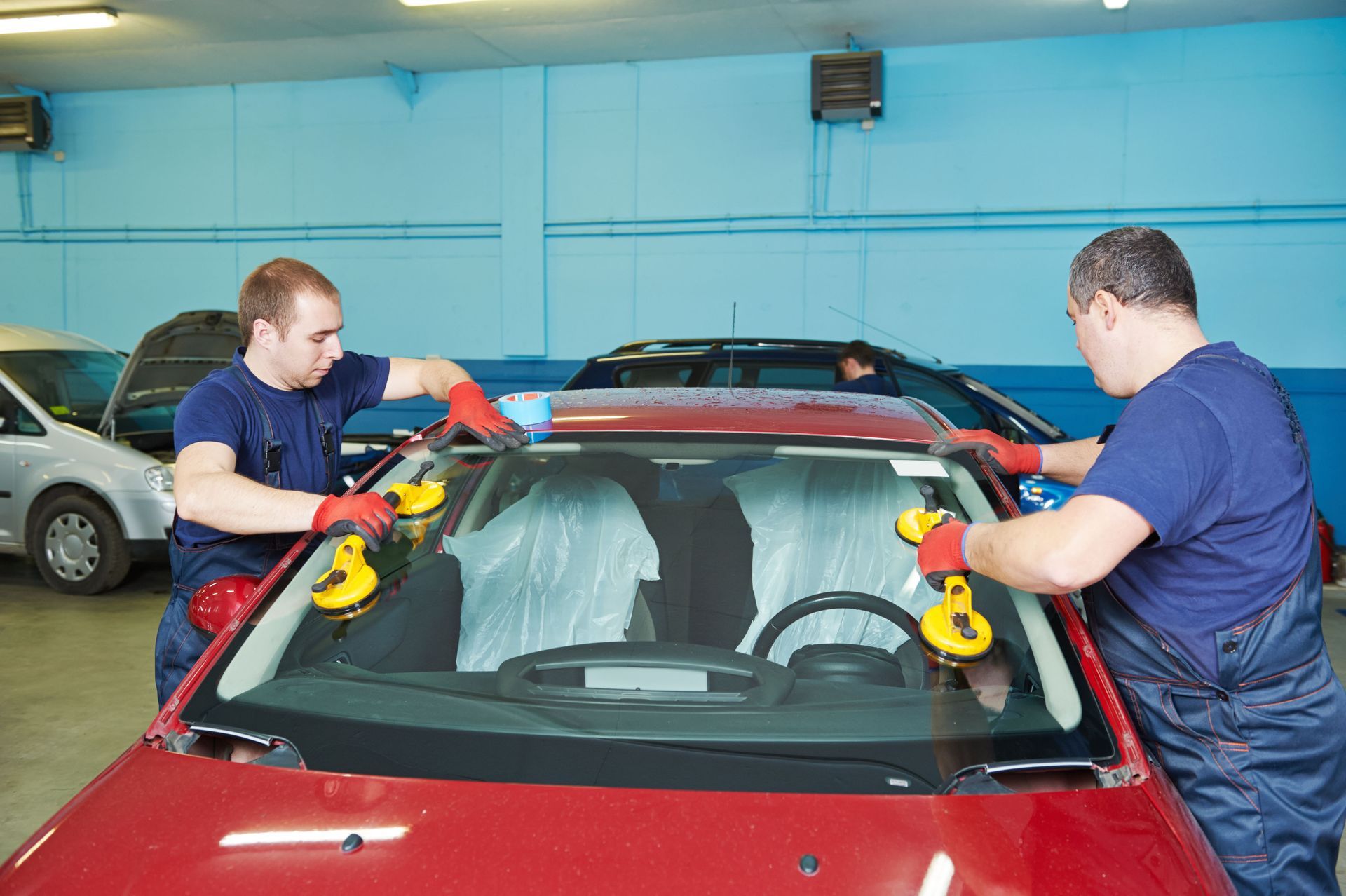
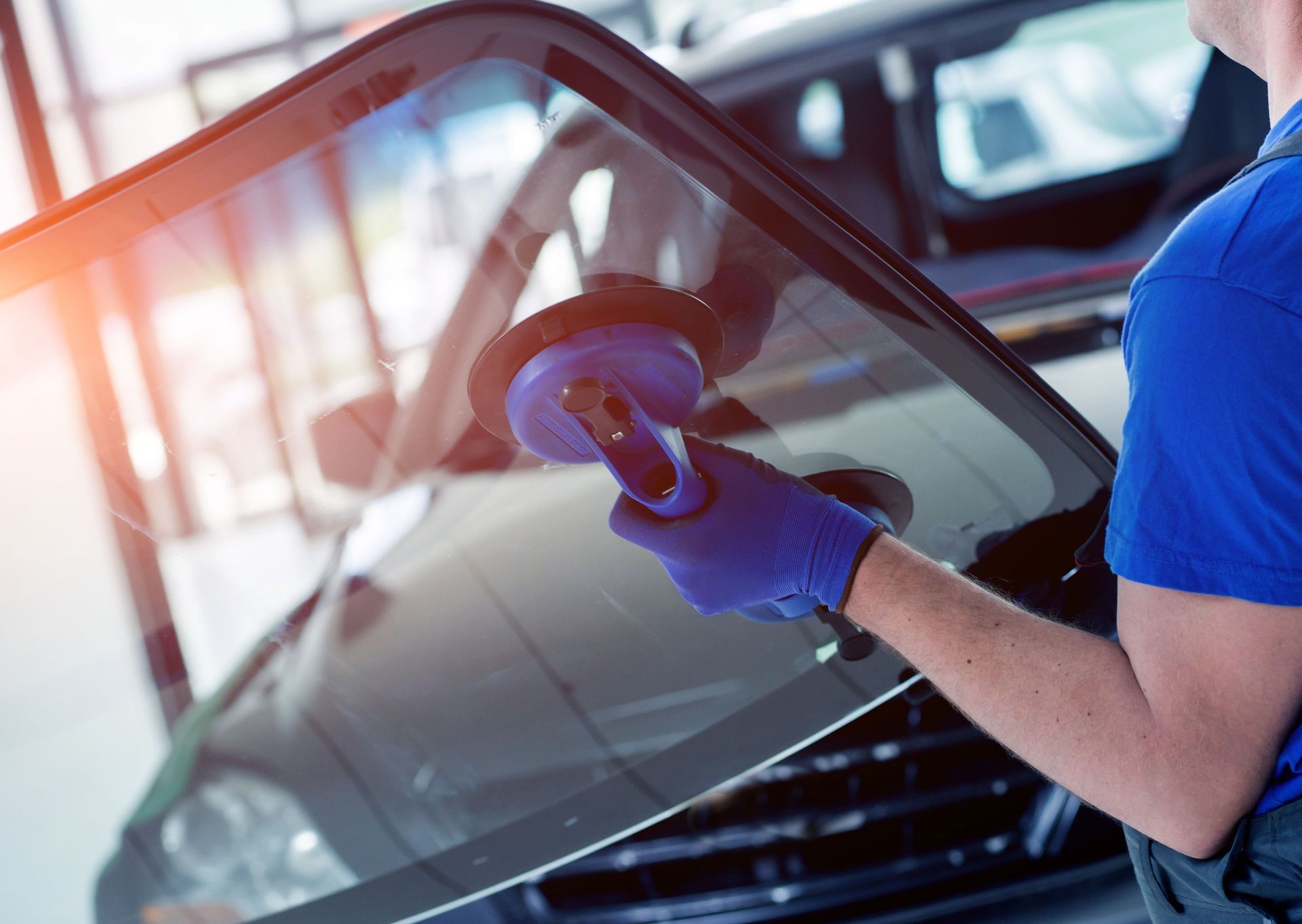
Precision installations require cutting-edge mechanical tools, specialized cutout wire rigs, and industrial vacuum suction grips. Modern fiber-line removal systems allow technicians to extract damaged glass without scratching the vehicle's underlying paint or gouging the metal pinch weld. Preventing metal gouges protects the structural frame from developing hidden rust pockets, which compromise future seal adhesion. Equipping technicians with state-of-the-art tools directly enhances repair precision and helps preserve the structural longevity of the vehicle.
Implementing Quality Control Protocols
Following Standardized Operating Procedures
Operational consistency depends on maintaining clear, repeatable standard operating procedures across every job bay. Professional technicians complete a standardized checklist covering pre-work vehicle inspections, pinch-weld preparation, surface degreasing, primer flash times, and symmetrical glass placement. Establishing uniform step-by-step guidelines prevents missed details and reduces workmanship variances between shop locations. This meticulous process ensures that every customer receives consistent, dependable workmanship across the board.
Conducting Multi-Point Post-Install Inspections
Before releasing any vehicle back to its owner, a certified inspector or lead technician conducts a comprehensive multi-point inspection. This review verifies uniform reveal moldings, flush glass alignment, unobstructed wiper arm sweeps, and the absence of wind noise or water leaks. Technicians often perform ultrasonic leak tests or controlled moisture sprays to confirm an absolute seal around the perimeter. Completing these vital verifications prevents post-installation callbacks and protects the car’s electrical components from water infiltration.
Calibrating Driver Assistance Technologies
Modern vehicles rely heavily on forward-facing cameras and radar arrays mounted directly against the windshield to operate systems such as Lane Keeping Assist and Autonomous Emergency Braking. Whenever a windshield is replaced, these sensors shift by microscopic fractions, which can cause safety malfunctions if left unadjusted. Professional repair teams utilize advanced static target boards and dynamic road-calibration scanners to re-align ADAS sensors to exact manufacturer specifications, safeguarding the vehicle's automated crash-avoidance systems.
Delivering Professional Customer Support
Maintaining Clear Communication
Building long-term client trust requires open, transparent communication regarding repair scopes, curing timelines, and cost breakdowns. Trustworthy repair centers present itemized estimates, outline why a full replacement may be necessary instead of a resin chip repair, and set realistic completion schedules. According to DataIntelo, replacement services accounted for 54.3% of the global auto glass claims market share in 2025, making it the largest segment in the industry. Clearly explaining cure times prevents customers from driving their vehicle prematurely before the urethane adhesive has cured completely, ensuring driver safety and setting clear service expectations.
Backing Workmanship with Warranties
A reputable auto glass service demonstrates confidence in its technicians and materials by offering comprehensive written warranties. Comprehensive warranty protection typically covers air leaks, water intrusion, stress fractures, and adhesive bonding failures for the lifetime of the vehicle. Offering robust warranties protects vehicle owners from out-of-pocket costs should unforeseen material flaws emerge. Furthermore, clear warranty coverage reflects an auto glass service that stands firmly behind its craftsmanship and component suppliers.
Assisting with Insurance Claims
Navigating automotive comprehensive insurance policies can be confusing and stressful for vehicle owners dealing with unexpected vandalism, highway stone chips, or storm damage. Reputable auto glass service providers establish direct electronic billing partnerships with major automotive insurance underwriters to streamline client claims. Handling digital authorizations, verifying glass deductibles, and processing insurance paperwork directly lifts a major administrative burden from the car owner, speeding up repair approvals and vehicle return times.
Delivering high-caliber automotive window and windshield replacement demands an uncompromising commitment to driver safety, technician expertise, and technological investment. By recruiting skilled labor, sourcing certified OEM-grade glass, using advanced urethane adhesives, and correctly recalibrating digital safety cameras, a reputable auto glass service guarantees reliable, repeatable results. Motorists who take the time to choose certified providers protect their vehicle's resale value and preserve the structural safety features engineered to protect their families every time they travel. Call International Auto Glass Inc today for more.